Property guides / Practical guide
Construction Site Cameras: Plan for a Changing Site
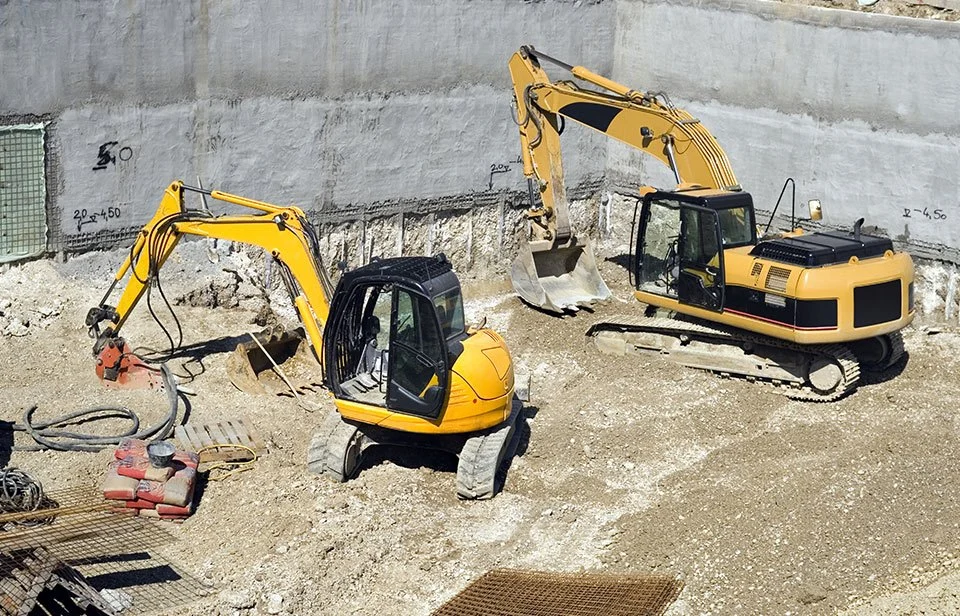
A construction camera plan can become outdated before the project is finished. Materials move, access routes change and new structures block views. Treat camera coverage as part of site logistics, with someone responsible for reviewing it as the work progresses.
Start with the current risks and the information you need: entry through a gate, activity around stored equipment or the sequence of a delivery. Cameras can support review, but they do not replace fencing, safe work procedures or supervision.
Give each view a defined job
Mark vehicle entrances, pedestrian access, storage areas and delivery zones on the current site plan. Decide which locations need an overview and which need more detail. Keep adjacent homes and unrelated public activity outside the intended coverage where possible.
A broad view of the site can show movement without reliably identifying a person or reading a plate. If a plate record is required, include a specific capture location and test it separately. The license plate planning guide explains the distinction.
Check for future obstructions as well as current ones. A container, material stack or parked machine can block a critical view. Include camera relocation in the project plan instead of treating it as an unexpected extra.
Establish power and connectivity
Temporary power is a design condition, not a minor detail. Identify who controls it, when it may be disconnected and which parts of the system need backup power. Confirm the behavior after a power interruption.
If a wireless or cellular connection is proposed, test it at the actual installation point. Check service availability, data arrangements and what functions depend on the connection. Local recording and remote viewing may have different dependencies.
Ask where recordings are stored and what happens when a device is damaged or removed. Protect accessible equipment and cable routes within the site's practical constraints. The wired versus wireless comparison can help frame those questions.
Make after-hours alerts manageable
Define the restricted areas and normal after-hours activity. Cleaning, authorized deliveries and changing work schedules can create nuisance alerts if the rules are not maintained.
Assign an alert recipient and a backup. Agree on a response procedure that does not expect an employee to confront someone at an isolated site. If a monitoring service is part of the proposal, its scope and response arrangements need to be explicit.
Test person or vehicle detection rules under the site's actual lighting and approach directions. Keep a record of missed or irrelevant events during the initial adjustment period.
Separate security review from safety management
Recorded video may help explain an event, but a camera does not establish that a task is safe or that required supervision is present. Maintain the site's normal safety controls and reporting procedures.
Have the appropriate project representative review camera locations, worker notice, privacy and access to recordings. Use a clear process for preserving relevant footage when an incident occurs. Avoid casual sharing that strips a clip of its context.
At each major site phase, review the coverage plan, power, recording history and user list. Smart Control can discuss camera and low-voltage project requirements in Upstate South Carolina. Temporary-site equipment, connectivity and any specialist monitoring arrangements need to be confirmed for the individual scope rather than assumed from a standard building installation.