Property guides / Practical guide
Cameras for Farms, Barns and Animal Care Properties
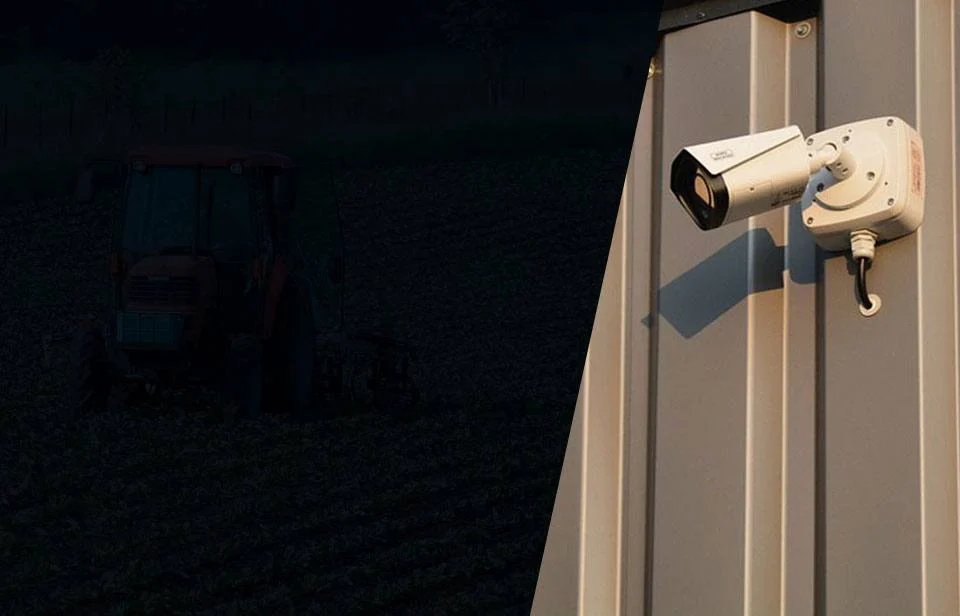
Distance is often the first challenge for cameras at a farm, barn or animal care property. A gate may be far from the main building, and a stable may have power but no reliable data connection. Start by mapping those conditions before selecting cameras.
Separate property security from animal observation. A view of a vehicle entrance and a view inside an animal housing area have different purposes, maintenance needs and privacy considerations.
Map the buildings and useful views
Mark gates, vehicle approaches, equipment storage, delivery areas and the particular animal areas you need to observe. Note the distance between buildings and where network equipment and power are available.
Choose which views need detail and which need an overview. A wide yard image may help establish movement while leaving a distant gate too small for useful identification. If readable plates are required, plan a specific capture point rather than assuming the yard camera can provide it.
Include practical obstacles: trees, metal structures, changing storage and vehicle positions. A wireless link needs a suitable path and a real test. The wired versus wireless guide explains why an ordinary Wi-Fi signal should not be assumed to cover an outbuilding.
Design for the environment
Dust, moisture, insects and regular cleaning can affect the equipment and image. Select cameras, connections and enclosures for the actual location according to their manufacturer specifications. A camera described as outdoor equipment still needs correctly protected cable entries and installation.
Keep cable routes and mounts out of reach of animals and normal machinery operations. Plan safe maintenance access. Equipment that is hard to reach may remain dirty or misaligned because routine care becomes impractical.
Test after-dark views using the lighting that normally remains on. Look for nearby surfaces reflecting infrared illumination and for obstructions such as cobwebs. Review moving subjects as well as an empty image.
Be precise about remote observation
A remote view can let an authorized person check a location without walking to it. It does not guarantee that every event will be noticed, and it should not replace necessary in-person care, veterinary attention or an established emergency procedure.
If alerts are proposed, confirm what the product is designed to detect. Person and vehicle classification should not be assumed to identify animal health or behavior reliably. Test the specific supported function and document its limits.
Ask what continues working when internet service fails. A local recorder may retain footage while remote access is unavailable, depending on the design. Power, connectivity and recording should each have a defined failure behavior.
Keep accounts and recordings controlled
Give remote access only to people who need it. Animal care businesses should be cautious about unrestricted customer viewing, which may expose staff, visitors or other clients. Review the purpose and permissions before offering any shared feed.
Maintain an equipment list and a recording check routine. Review the oldest available footage, camera alignment and account list, especially after seasonal changes or staff turnover.
Smart Control can assess camera and supporting cabling requirements for properties in Upstate South Carolina. Share a site sketch, approximate building distances and available power with the inquiry. Coverage across separate buildings, specialist animal observation and connectivity arrangements need to be confirmed for the individual project.