Equipment / Practical guide
License Plate Cameras: Plan the Capture Point First
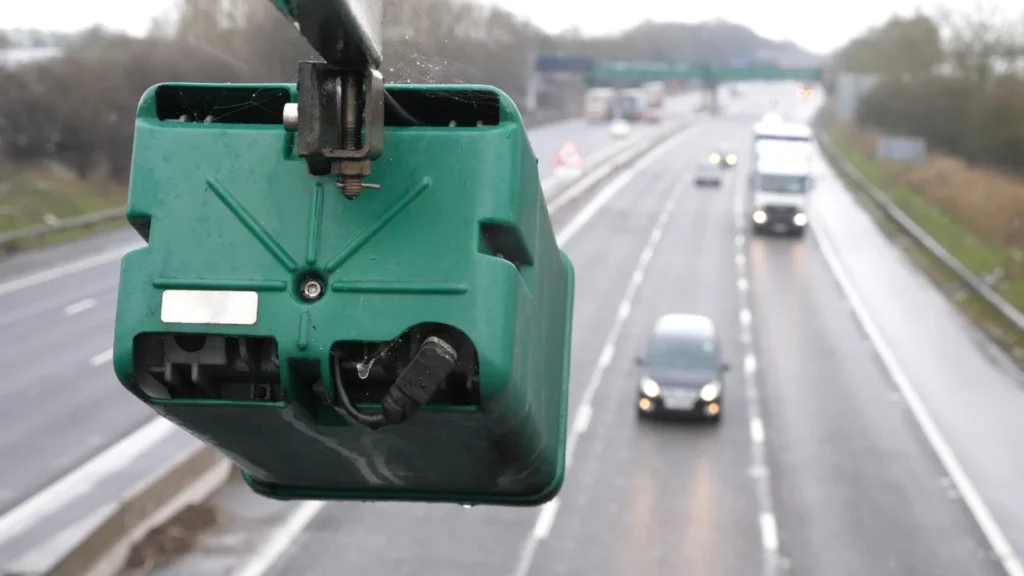
A parking lot camera can show a vehicle clearly while leaving its license plate unreadable. Plate capture is a specific imaging task, not a feature you can assume from a high-resolution overview.
Start with a controlled location where the vehicle passes: an entrance lane, gate or other suitable approach. Define the conditions there before selecting a camera or promising automatic recognition.
Separate capture from recognition
Plate capture means producing a readable image of the plate. License plate recognition adds software that detects and reads the characters. A system may provide one without the other, and automatic results still need appropriate review.
Axis's license plate capture guidance explains that image quality is foundational to recognition and that plate capture requires attention to camera position, lighting and settings. Simply adding analytics to an unsuitable view does not fix the capture problem.
Clarify the required output. Do you need a reviewer to read a plate in footage, a searchable plate event or a supported connection to another system? Each requirement changes the scope and acceptance test.
Define the lane and movement
Document the travel direction, likely vehicle speed, number of lanes and capture distance. Consider whether a vehicle stops, turns or changes lanes in the view. Check the mounting possibilities without creating a traffic obstruction.
The plate needs enough useful detail and a suitable angle in the image. Motion blur can defeat recognition even when a stationary plate looks sharp. Do not evaluate the system only with a vehicle parked directly in front of the camera.
Keep a separate overview when the wider scene matters. A dedicated plate view may not be the best image for understanding who approached the vehicle or what happened around it.
Test after dark
Headlights and reflective plates can create a difficult scene. Illumination, exposure and camera settings need to work together. The manufacturer's guidance for the exact equipment should drive installation and adjustment.
Use representative vehicle movements in the test, with appropriate permission. Include the approaches and lighting conditions the site expects. Record the conditions and review actual captured images alongside any recognition results.
Agree on how missed reads and incorrect results will be assessed. A demonstration that succeeds once is not a useful performance commitment. Any claimed capability should identify the tested conditions and limitations rather than suggesting perfect results in all situations.
Decide how the data will be used
Plate records can reveal patterns of vehicle activity. Define the security or operational purpose, limit access and set a justified retention process. Have the property's responsible adviser review applicable privacy and legal requirements before operating the system.
If a gate or access decision will depend on recognition, treat that as a separate integration with its own failure handling and safety requirements. Do not assume that a matching plate alone is a complete authorization or that a camera installer is providing gate safety engineering.
For an Upstate South Carolina property, Smart Control can assess camera placement and infrastructure requirements. Plate recognition capability, software licensing and any connected access function must be confirmed for the specific project. Bring a site sketch and the required outcome, then ask for a documented test at the proposed capture point.