Property guides / Practical guide
Fleet Yard Cameras: Entrances, Parking and Handoffs
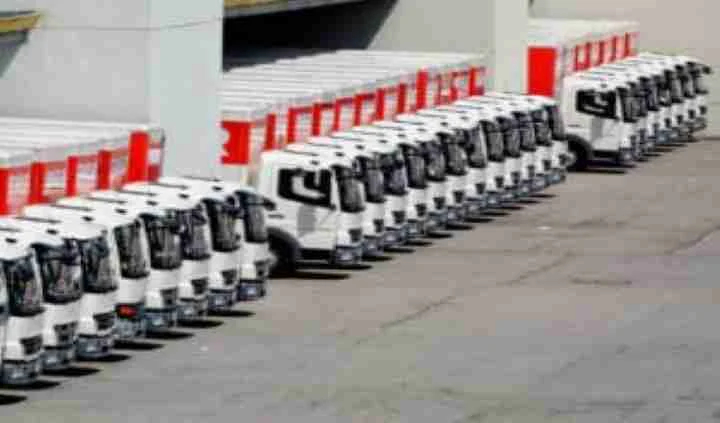
For a business fleet parked at a yard, the most useful camera views often follow the vehicle's arrival, parking location and equipment handoff. A single overview may show activity without providing enough detail to explain a particular incident.
This guide covers cameras at the property. Onboard dashcams and vehicle recording systems have separate power, storage, installation and policy requirements and should be treated as a separate scope.
Begin at the entrance
Decide what you need to know when a vehicle arrives or leaves. An overview can establish timing and direction. A closer view may be needed for a driver or vehicle detail. If readable plates are required, define that as a separate acceptance requirement.
Check how vehicles actually use the gate. Different lanes, turning movements and queues can affect the useful camera position. A location that works for a parked car may not work for a moving truck at night.
Read the license plate camera guide before treating a general yard camera as a plate capture solution. The needed view and settings can differ substantially.
Follow the operational handoffs
Map where keys, tools, stock or paperwork change hands. If a recurring problem involves equipment loading, a view of that area may be more useful than another broad parking image.
Think about obstruction by the fleet itself. Vans and trailers can hide activity between rows. Test the layout when the yard is full rather than only during an installation visit with few vehicles present.
Avoid aiming cameras at unrelated neighboring areas. Keep the purpose of each view documented so later adjustments do not quietly expand coverage beyond the original need.
Test darkness, headlights and weather exposure
Review recorded footage during the actual early-morning or evening departure routine. Headlights, reflective vehicle surfaces and changing yard lighting can affect detail. Test a moving vehicle at the intended location and speed.
Choose equipment and cable protection for the environment and follow manufacturer requirements. Mounting and service access should account for vehicle movement and normal site work. A camera should not become an obstacle or rely on an exposed connection that is easy to damage.
Use the maintenance checklist to keep views, recording and time settings under review. Recheck the plan when parking patterns or vehicle types change.
Pair video with a clear process
Keep vehicle assignment and key records accurate. Camera footage may add context, but it should not be expected to replace those records or automatically establish who was responsible for damage.
Define how employees report an incident and who preserves the relevant footage. Include enough time before and after the reported event to retain context. Restrict exports and record who receives them.
If after-hours alerts are proposed, choose a specific area and schedule, then test the rule against normal authorized activity. Assign a recipient and a safe response procedure. An unreviewed notification is not an operational response.
Smart Control can discuss commercial camera coverage for an Upstate South Carolina fleet yard. Share the site layout, typical vehicle movements and the incidents you need to investigate. Yard cameras, plate recognition, onboard recording and any monitoring service should each be explicitly included or excluded in the agreed scope.